Where to Fish in Canada
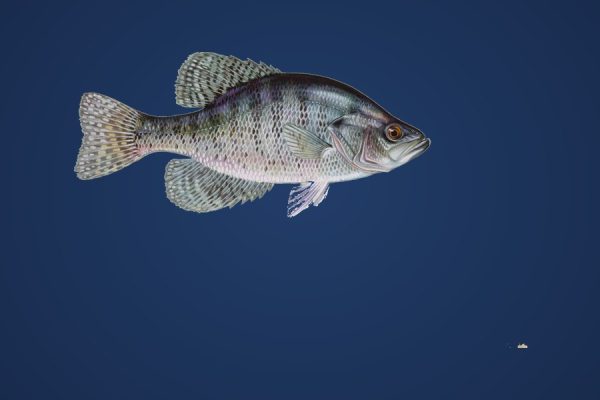
Fishing is local. What works on a clear Shield lake in July is the wrong answer on a stained prairie reservoir in May, and a bait built for pike teeth is overkill for crappie in the spring shallows.
So start with your water. Pick a province, find your lake, and get the colours that actually make sense for how far you can see down it — from 20,122 lakes of government survey data across five provinces.
Step 1 — pick where you fish
Start with your water
Pick a province and you will see what swims there, then search your own lake for what to actually tie on.
- Choose a province
- Find your lake
- Get the colours for that water
British Columbia
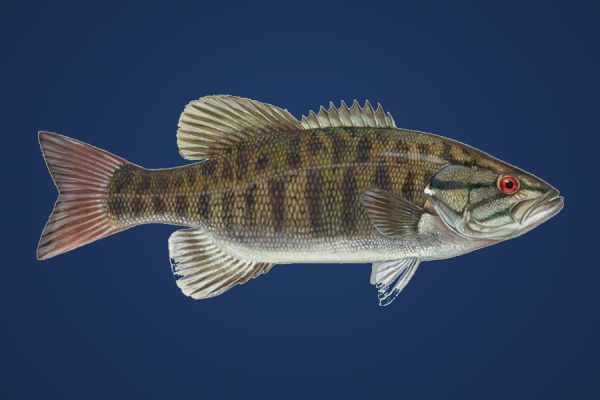
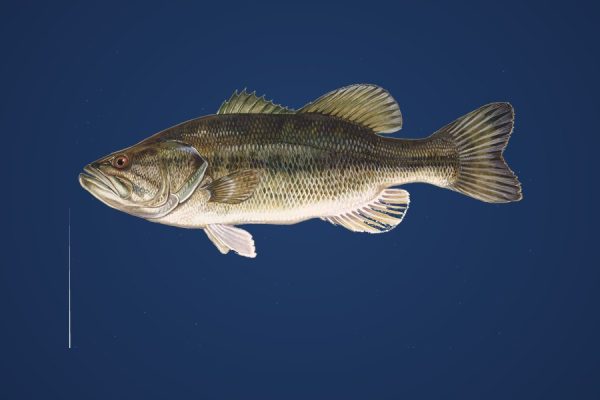
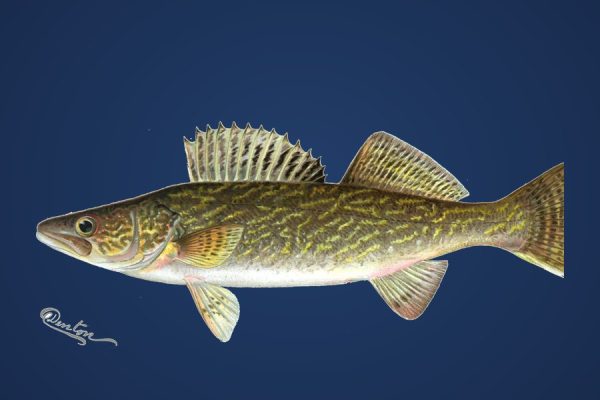
Okanagan and Kootenay bass, walleye in the Columbia system, pike pushing down the Peace, and rainbows in more lakes than anyone has fished.
What swims here
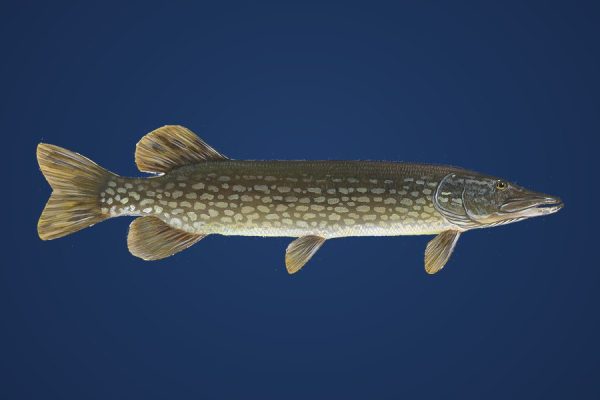
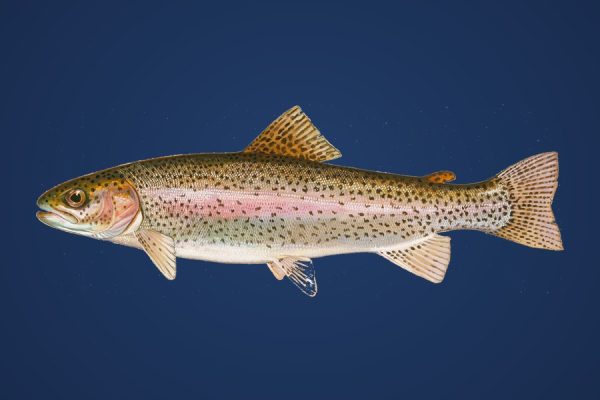
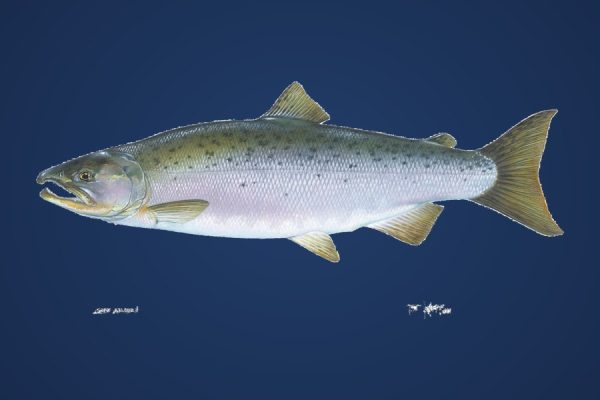
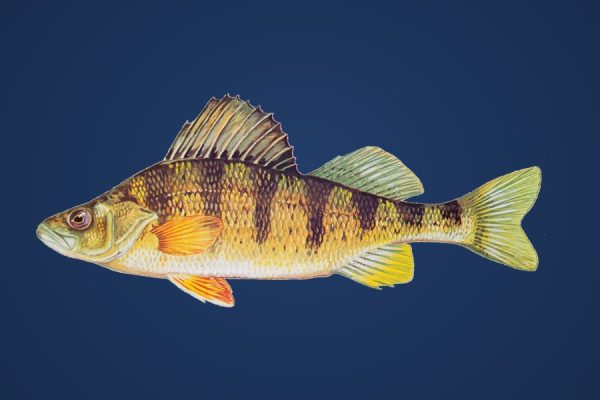
Alberta
Walleye and pike country. Big water, wind, and a lot of it fished from shore or a small boat.
No open lake-by-lake survey data is published for this province yet, so there is nothing to look up here — only the species above.
What swims here
Saskatchewan
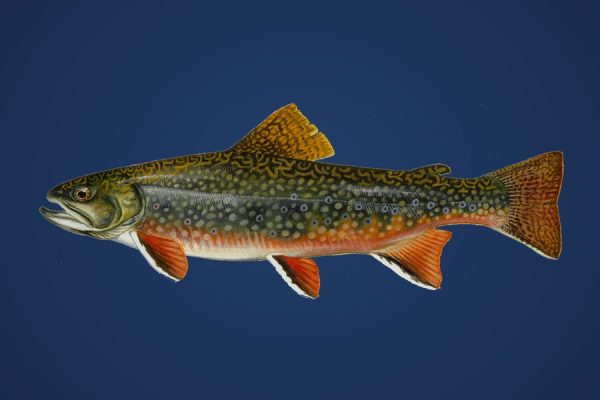
Some of the best walleye water on the continent, and pike that eat baits meant for them.
What swims here
Manitoba
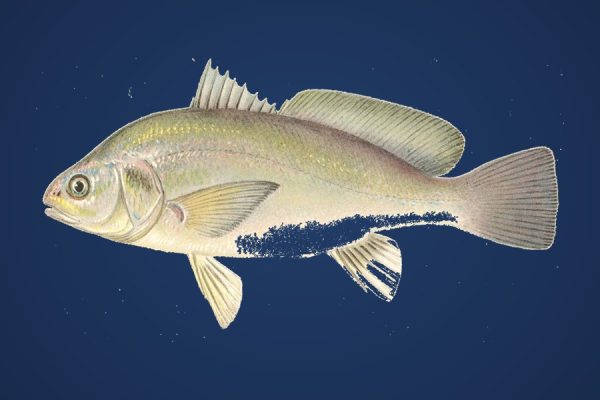
Greenback walleye on the Red, smallmouth and muskie through the Winnipeg River system, and drum that will bend a rod you were using for something else.
What swims here
Ontario
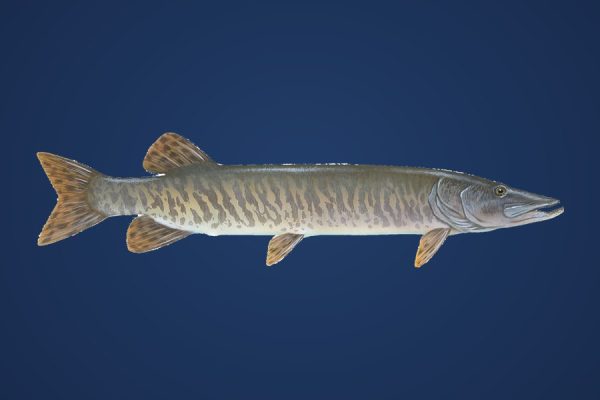
Everything. Shield-lake smallmouth on clear rock, largemouth in the pads, walleye on wind-blown points, and muskie for the people who like being disappointed in an interesting way.
What swims here
Québec
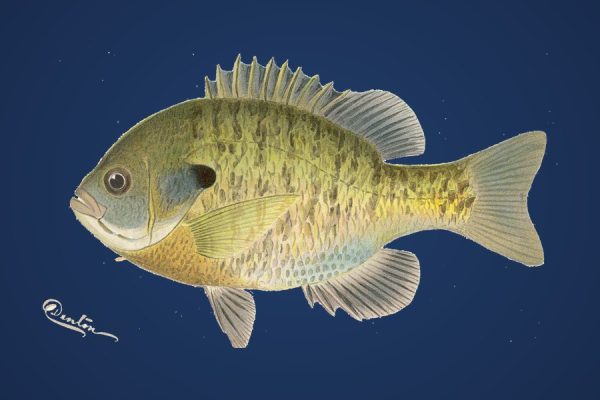
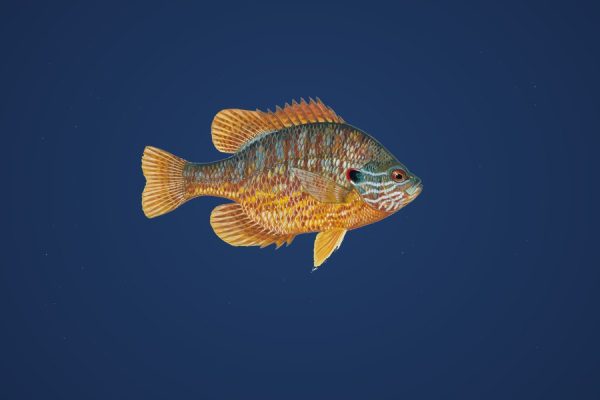
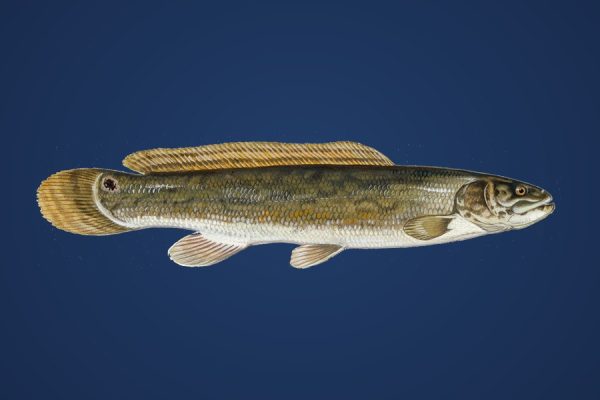
Doré on the big rivers, smallmouth through the Outaouais, brookies in the north, and a striped bass fishery on the St. Lawrence that came back from nothing.
No open lake-by-lake survey data is published for this province yet, so there is nothing to look up here — only the species above.
What swims here
New Brunswick
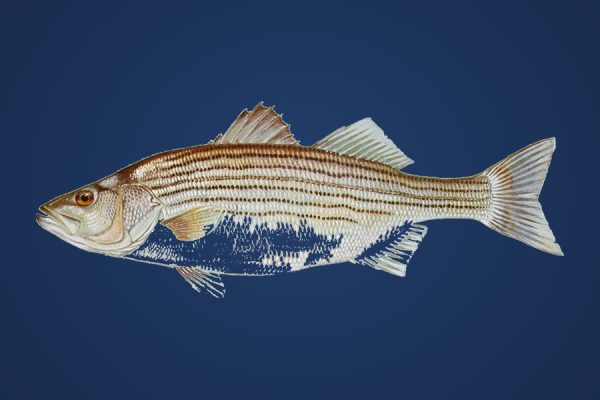
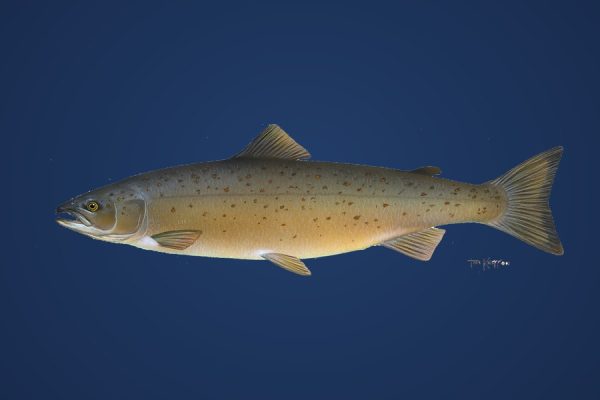
The Miramichi striper run, smallmouth in the Saint John system, and salmon water people plan their year around.
No open lake-by-lake survey data is published for this province yet, so there is nothing to look up here — only the species above.
What swims here
Nova Scotia
Stripers on the tide, smallmouth in the inland lakes, and brookies in nearly every brook that earns the name.
What swims here
Prince Edward Island
Striped bass around the estuaries and bridges, brook trout in the rivers behind them.
No open lake-by-lake survey data is published for this province yet, so there is nothing to look up here — only the species above.
What swims here
Newfoundland & Labrador
Salmon and sea-run brookies define it. Pike hold through parts of Labrador, and char run the far north of it.
No open lake-by-lake survey data is published for this province yet, so there is nothing to look up here — only the species above.
What swims here
Yukon
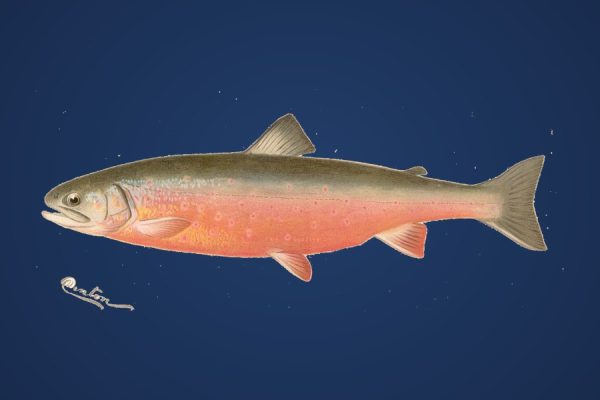
Pike in the weedy bays. Lake trout, grayling and char run the rest of the show up here.
No open lake-by-lake survey data is published for this province yet, so there is nothing to look up here — only the species above.
What swims here
Northwest Territories
Great Slave pike and walleye, with a season short enough that you make it count.
No open lake-by-lake survey data is published for this province yet, so there is nothing to look up here — only the species above.
What swims here
Nunavut
Char country, and almost nothing else. Nothing in this lineup is really built for it — that would be a different shop, and an honest answer beats a sale.
No open lake-by-lake survey data is published for this province yet, so there is nothing to look up here — only the species above.
What swims here
Lake data sources
- Contains information licensed under the Open Government Licence – Ontario.
- Contains information licensed under the Open Government Licence – British Columbia.
- Contains information licensed under the Open Government Licence – Nova Scotia.
- Contains information from the Manitoba government, licensed under the OpenMB Information and Data Use Licence (Manitoba.ca/OpenMB).
- Contains information licensed under the Government of Saskatchewan Standard Unrestricted Use Data Licence (Version 2.0).
Surveys span decades and are not live readings. Clarity is a stable characteristic of a lake, not the conditions on the day you fish it. Species records show what has been surveyed, not everything that swims there.
Why water clarity decides colour
Clarity is measured with a Secchi disc — a weighted white disc lowered until it disappears. That depth tells you how much light and detail reaches a fish, and it is the single most useful number for choosing a colour.
Under about a metre, colour barely matters. Fish are working off vibration and silhouette, which is why black and junebug out-fish anything subtle in muddy water — they read as a hard shape against what light there is. Past four metres it flips completely: they can inspect the bait, so translucent and natural wins and the loud stuff gets followed and refused.
Most water sits in the middle, between two and four metres, which is exactly why green pumpkin has been the default for forty years. It reads as crayfish, as bluegill, as nothing in particular — and nothing in particular is usually what gets eaten.
More on that in green pumpkin is not one colour.
What the numbers mean
- Visibility in metres — a Secchi reading. Lower means less light and less colour reaching the fish.
- TCU water colour — used for Nova Scotia, where lakes are tannic. In tea-stained water true colour describes how a bait reads better than a Secchi depth does.
- Max depth — where recorded. Useful for knowing whether there is a thermocline to fish above.
- Species — what surveys have actually found. Absence means nobody recorded it, not that it isn’t there.
Surveys span decades, so treat clarity as a characteristic of the lake rather than a forecast for Saturday. Saskatchewan publishes no clarity data at all, so those lakes show species only.
Why this is organised by water instead of by product
Most tackle sites sort by category — worms, craws, swimbaits — which is how a warehouse thinks, not how an angler does. Nobody wakes up wanting a soft plastic. They wake up wanting to catch a walleye on a windy point, and the bait is whatever gets that done.
So the lineup is built species-first. Every bait is poured with a job in mind. If your water isn’t well covered yet, that’s said plainly rather than papered over.